Wanhua Stainless Steel(Shanghai)Co.,Ltd.


 Oil
Oil 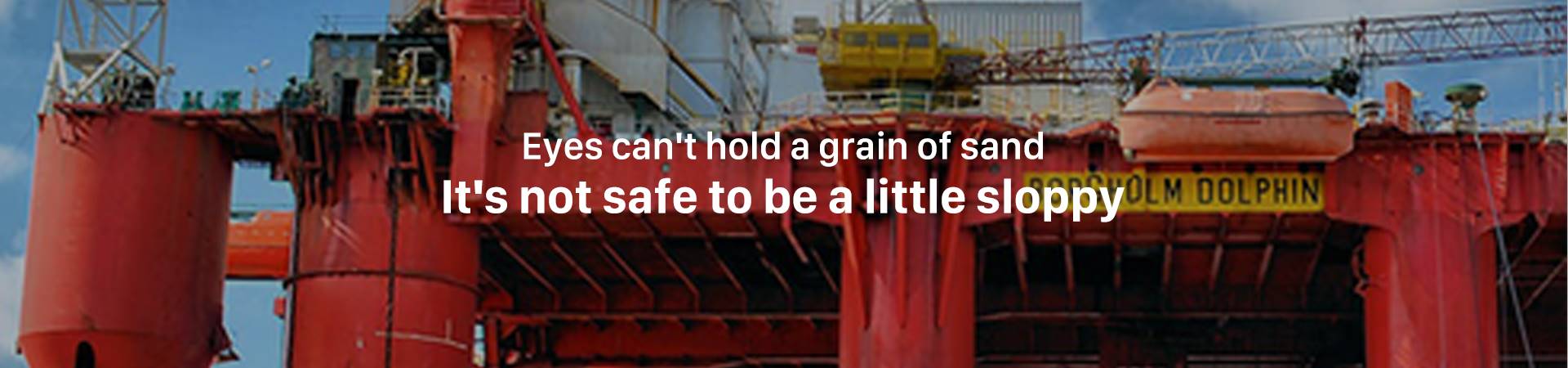
As the collective family of stainless-steel varieties grows, their potential uses are expanding alongside it. It's exceptional resistance to corrosion has given it the edge in the growing chemical and petrochemical industries, which is especially important given the industries extremely high spec requirements and equally high demand.
In recent years, the emergence of advanced alloys like "super austenite", "super ferrite" and "dual phase steel" have given stainless steel a lot to compete with to keep its top spot in this industry, but the longevity of these newer materials is still being researched today.
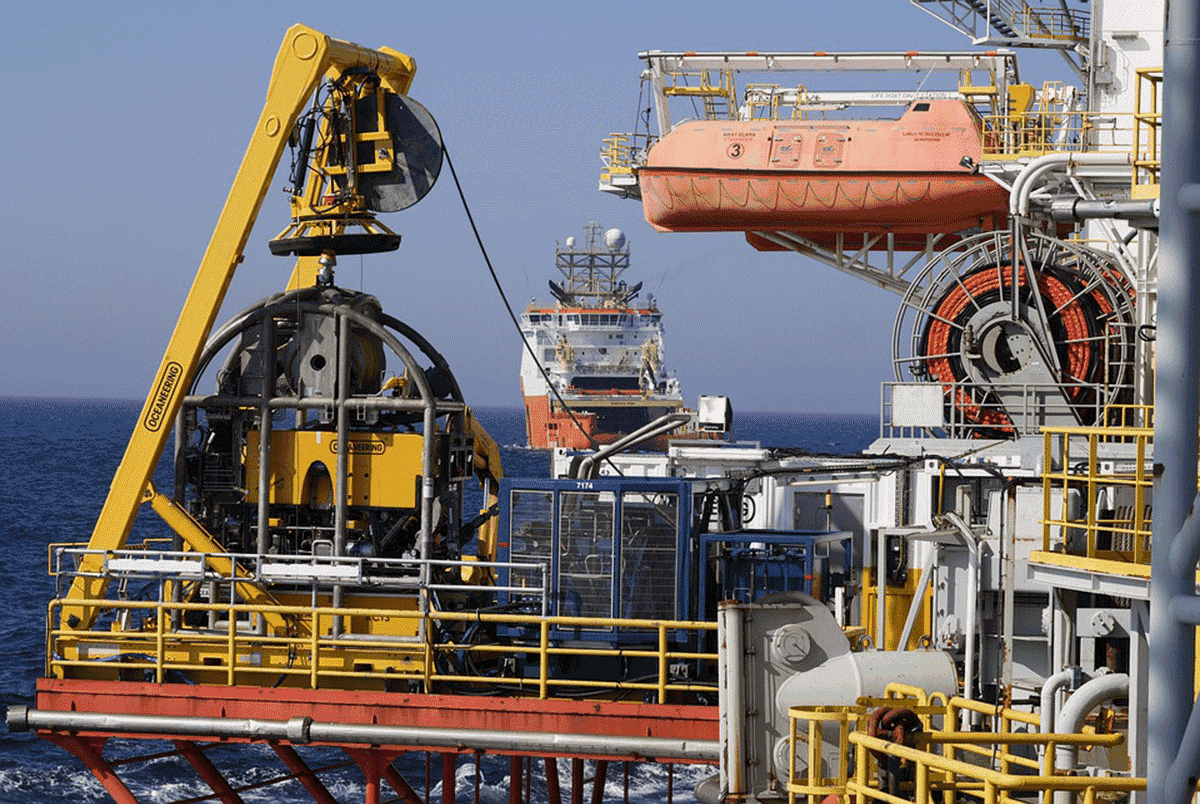
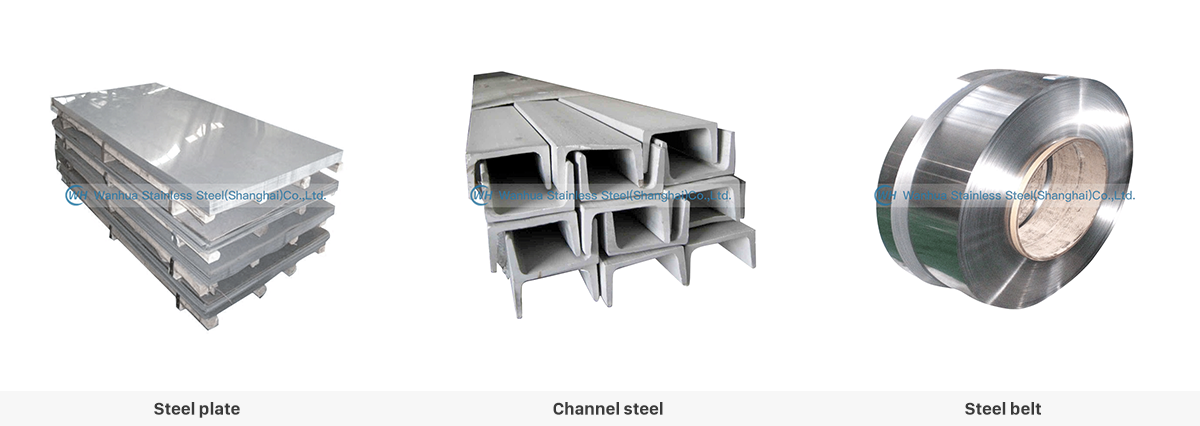
The following materials are commonly used steel materials in the oil field
The use of stainless steel in petrochemical and other process industries can be roughly divided into three areas: corrosion resistance (including cleanliness); heat resistance; high strength.
(1) Corrosion resistance: Corrosion resistance includes cleanliness and beauty, and is the most important requirement for users to adopt stainless steel.
(2) Heat resistance: The application of stainless steel has raised the upper limit of temperature in the petrochemical industry from 600°C in pearlite chromium-molybdenum steel to about 1000°C. The traditional 304H, 316H, 317H, 309, 310 austenitic stainless steel has been widely used abroad. The production of stainless steel for furnaces, such as HK40.HP40. centrifugal casting tubes, has also made considerable progress in China.
(3) High strength: The strength of traditional 300 series stainless steel is not high, especially the yield strength is low. Therefore, stainless steel has long been included in the "low-strength steel" ranks, in order to reduce costs, so increasing the strength grade of stainless steel will bring corresponding economic benefits.
In 2018, dual-phase steel fittings, flanges, carbon steel pipes and other products were used in the Shell oil project in Nigeria, which has reached the export and international standards of steel pipes.



 HOME
HOME ABOUT US

 PRODUCT
 ENGINEERING
 NEWS
NEWS CONTACT US